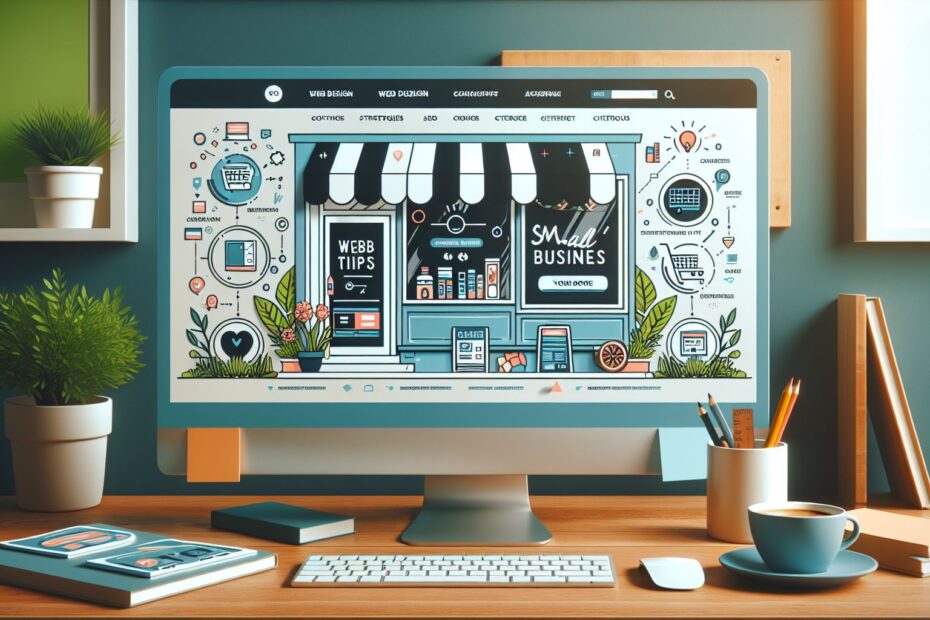
Are you a small business owner looking to establish a strong online presence? Congratulations, you’re on the right track! In today’s digital age, a well-designed website is like a shop window that attracts potential customers. Whether you’re starting from scratch or redesigning your current website, here are some web design tips that can help elevate your small business.
Introduction: Why Web Design Matters
In an increasingly competitive online marketplace, your website is often the first point of contact for potential customers. In fact, 94% of first impressions are related to design aspects. A visually appealing and user-friendly website can leave a lasting impression, build credibility, and ultimately drive conversions.
1. Emphasize Simplicity and Ease of Use
First and foremost, simplicity is key. A cluttered website overwhelms visitors and drives them away. Consider a clean, minimalist design that showcases your products or services effectively. Use white space wisely to give the content room to breathe and guide users’ attention to important elements.
Ensure intuitive navigation by organizing your website into clear categories and creating an easy-to-use menu. Make it effortless for visitors to find the information they seek, and consider adding a search feature to save them time.
2. Mobile-Friendly Design Is a Must
One of the most crucial aspects of web design today is mobile responsiveness. With the majority of internet browsing happening on mobile devices, it’s essential to ensure your website works seamlessly across all screen sizes. Responsive design adapts your site layout to different devices, providing an optimal experience for every visitor.
Test your website on various devices and use a responsive design framework to ensure your small business site looks impeccable on smartphones, tablets, and desktops.
3. Optimize for Speed
People have become accustomed to instant gratification, and there is no exception when it comes to website loading times. According to Google, 53% of mobile users leave a site if it takes longer than three seconds to load. To boost your website’s loading speed, consider compressing images, minifying CSS and JavaScript files, and utilizing caching techniques.
Additionally, choose a reliable web hosting provider to ensure fast server response times. Every second counts, as even a one-second delay in page load time can lead to a 7% reduction in conversions.
4. Engaging Call-to-Actions
To convert your website visitors into customers, strategically place compelling call-to-action (CTA) buttons throughout your site. Effective CTAs are attention-grabbing, action-oriented, and placed prominently on the page. Use action verbs that encourage visitors to take the desired action, such as “Sign Up Now” or “Get Started Today.”
Make sure your CTA buttons contrast well with the rest of the page and consider using whitespace to draw attention to them. A/B testing can help you determine the most effective design and copy, allowing you to refine your CTAs continuously.
5. Harness the Power of Visuals
Humans are visual creatures, and incorporating captivating visuals on your website can significantly enhance its appeal. Use high-quality, relevant images to represent your products or services, creating an emotional connection with your audience. Avoid generic stock photos and consider investing in professional photography or customized graphics.
Additionally, leverage videos to engage visitors and provide valuable information. Whether through product demonstrations, testimonials, or behind-the-scenes footage, videos can leave a memorable impact and increase user engagement.
6. Build Trust with Testimonials
As a small business, establishing trust is vital for attracting customers online. Including testimonials and reviews from satisfied clients can help build credibility and reassure potential customers of the value you provide. Place these testimonials strategically on your website, ideally on the homepage or relevant product/service pages.
Consider showcasing customer reviews on popular review platforms like Google, Yelp, or Trustpilot, providing social proof to new visitors. Always seek permission from customers before using their testimonials, and encourage them to include specific details about their positive experiences.
Conclusion: Your Digital Success Starts with a Great Website
In today’s digital landscape, a well-designed website serves as the digital storefront for small businesses. By following these web design tips, you can create a visually appealing, user-friendly, and highly functional website that helps elevate your brand and drive business growth.
Remember, simplicity and ease of use are paramount. Ensure your website is mobile-friendly, optimize loading speed, and include engaging call-to-actions that lead to conversions. Visuals, testimonials, and social proof play an essential role in building trust with your audience.
Invest time, effort, and, if required, resources into your small business website. It will undoubtedly pay off in the long run, helping your business thrive in the vast digital landscape.